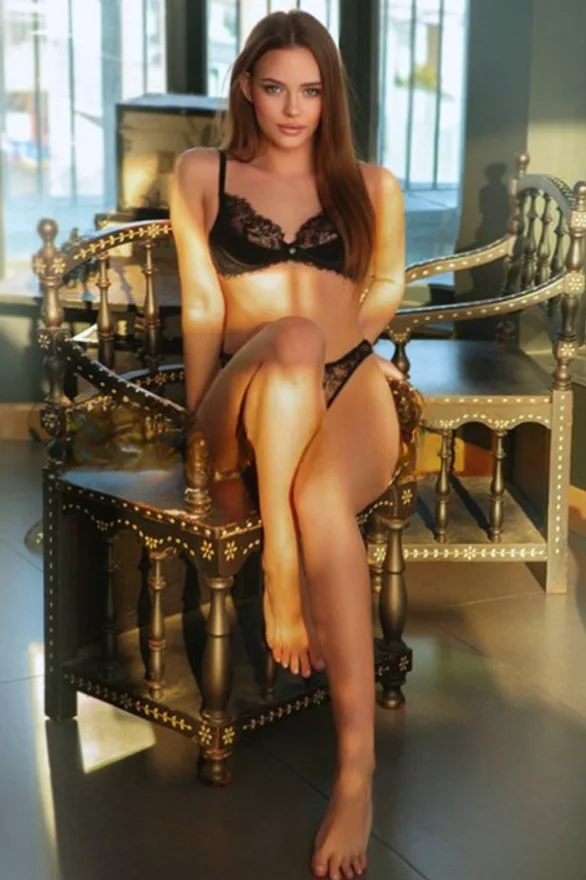
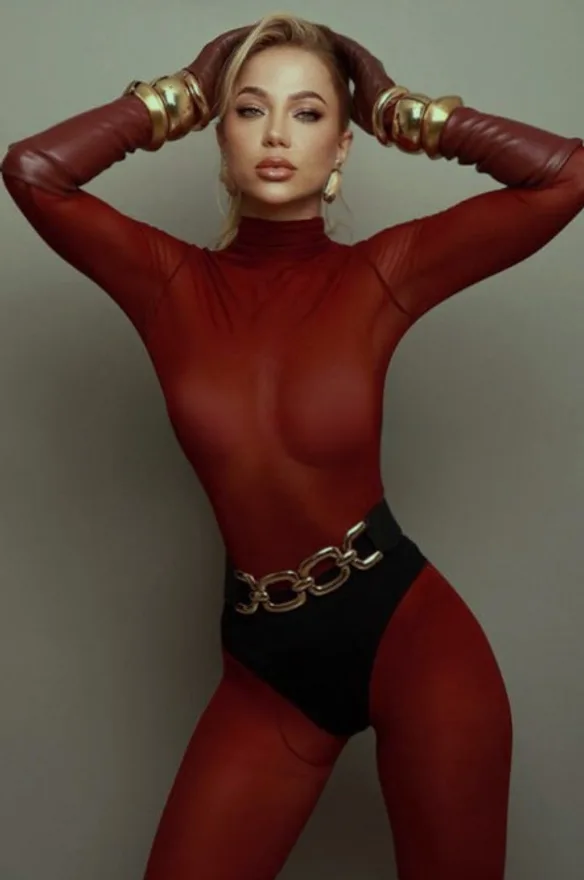
There is a certain charge in browsing a category like Lithuanian—not because any single trait tells the whole story, but because the filter narrows the view, creating a small constellation of profiles that share a common note. The descriptor itself is only a starting point for the eye; what matters is how each listing chooses to present themselves, the angles they favor, the words they select. Some lean into a more understated elegance, others into a bolder sensuality, and the contrast between them is where the interest lies. Whether you are new to this kind of browsing or returning with a specific curiosity, the category invites a slow, deliberate scan. No two profiles will speak in quite the same way, even when they carry the same label. That variety is the quiet pleasure of the page—not in what is promised, but in what is revealed only when you pause to look.
Browsing by Lithuanian opens a gallery of contrasting presences, each with its own rhythm and style. Some profiles carry a certain quiet intensity, while others favor a lighter, more playful tone. The category acts as a filter, not a verdict—it simply groups together those who chose to identify with this background. As you scroll, the visible differences in expression and tone become part of the discovery, inviting a closer look without making any promises about what lies beyond the photograph.
Reading Lithuanian Introductions
What draws the eye when comparing Lithuanian listings is how the same descriptor can carry across very different presentations. One moment the gaze rests on a glance that feels direct, the next on a smile that stays just out of reach. The written introductions vary as much as the images—some are brief, almost cryptic, while others unfold over several paragraphs. Reading through them becomes a quiet exercise in noticing detail, a way of letting the pages set their own mood before you decide which ones deserve a second look.